Observance

Yeah, that’s me.

27 years …

Years. What a strange concept time is. If I was to indulge in a bit of mathematics, then that would mean, I have survived …

9,855 Days

or

236,520 Hours

or

14,191,200 Minutes.

Rookie numbers.

It’s strange though, because for once, I don’t feel like I have changed or regressed. Instead, I’m wondering about the futility of it all, pondering about the whole concept of birthdays and spending the earliest parts of the morning getting my thoughts down.

How little all of this actually means to anyone except myself. And even I don’t really give a shit about it.

The world doesn’t stop because I am celebrating my birthday, nor does it even knows I have one. Time is defined by man, so why did we choose 60 seconds to define a minute of our lives?

Why 60 seconds? What is a second?

All I know about time, is really how much pressure it places on everyone. On me. I can’t help but constantly remind myself about how time I’ve wasted. It’s the one crippling insecurity that constantly plagues my mind.

I like to think myself impervious to most types of self-doubt. I don’t have that much of an issue with my physical appearance, nor my ability to adapt, improvise and overcome challenges. I can be extroverted, introverted and everything in between.

Charming, debonair, average, handsome, ruthless, generous, petty or magnanimous … there is little beyond my reach when it comes to my abilities and charms.

But before the endless progress of time, I feel helpless, angry and keenly self-aware of my weaknesses and procrastination of the important things in my life.

I feel like I am wasting my only chance, my life. I get all too wrapped up on my mortality, and the desire to be named a legend in something.

It’s depressing and nihilistic.

The two adjectives I despise most the in world, because they just seem like an anathema to me, a terrible cycle that induces more time wasting.

In a lot of ways, my fear of time is a lot like if I had alcohol addiction …. I drink to forget I have an addiction, but it only fuels it more.

So, are there any plans to celebrate my birthday?

With the way how things are in the world, not really. It’ll probably just be another day that gets blurred with all others, like in quarantine, just with an added bonus of being more moody and reflective.

As I inch closer to 30 though, I feel like I got to work harder nowadays. I do have this fear of not working hard enough and not committing myself more to some type of success.

I guess this is why I am going to start another challenge for myself. I have to address this insecurity about time and learn to commit to a more regular schedule of work.

3 things to do a day.

Raise my productivity, force my creativity out and shed my laziness.

Physical, Mental or Spiritual …. I need to work on at least one of those 3 aspects in my life to improve things.

There is nothing quite like the feeling when you are aware of how talented, intelligent and overall capable you are, and yet cannot muster the energy nor the will to make use of it.

Physical training, Mental conditional and Spiritual awareness.

If I can at least start to address all of these things by doing 3 simple tasks a day, I think by the time I am 29, I might be able to reach some type of epiphany about my fear of time.

Whilst I get that today’s lifestyle and addictions are a result of rapid technological advancements that are supposed to make life easier, I have often found, in reality, it makes life a lot more hollow.

And the hollow feeling you get, is because you know you could be doing more, with more.

That sensation, is probably one of the most relatable feelings anyone today could have.

It’s OK to feel that.

I just wish it would go away.

That doesn’t excuse my laziness though.

So I got to change it.

3 things Damocles.

Just start with 3 things a day.

Maybe one day, your birthday won’t feel like another finish line where you were too slow.

~ Damocles

Melodies, Melancholia, Moods & Melbourne.

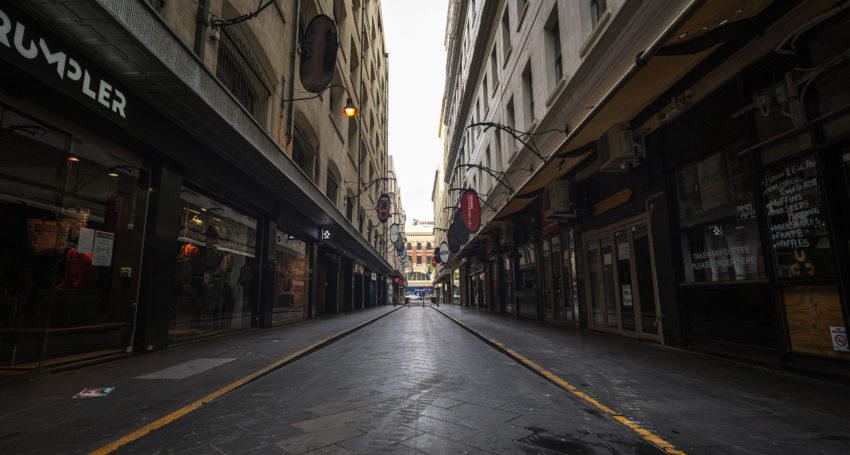
Empty Degraves St (Source)

To set the scene … I’m sitting, in a largely silent house, listening to Japanese Jazz, and playing with a folder knife.

Soft amber light is casting my room in a comfortable glow, my legs are sprawled comfortably across my chair and bed and I wish I was smoking a cigarette, despite never having had any tobacco before.

I’m lounging like this, when it struck me that I still got two more weeks of this isolation lockdown, this lovely house arrest after our illustrious Melbourne Premier, announced his “roadmap” out COVID-19 last Sunday on the auspicious day of the 6th of September.

The moment that thought struck me, I felt this strange sense of calm resigned depression overcome my thoughts. Several nihilistic actions happened soon after.

I felt bizarrely like dropping my knife into my thigh. Then I wanted to throw it into the wall. Finally, my fingers moved and just gave the knife a couple of twirls, before placing it down gently.

That’s enough of that silliness said my mind to my mind. I agree said my voice to myself.

Nostalgia soon arrived after, like the scent of spring after a long winter, and reminded me what I missed.

The city of Melbourne.

I’ve always beheld her as some dangerously seductive femme fatale in my mind.

Clad in a appropriately black cocktail dress, Melbourne had enchanting emerald eyes like the numerous parks, long wavy raven hair that sparkled like the Yarra at night and lightly sun-kissed skin, akin to her best side at sunsets.

Her voice would be husky, Lauren Bacall-esque in delivery and cadence. She would be moody, like the weather, able to dazzle with daylight and disparage with hail in a heartbeat.

(Just imagine a Elizabeth Debicki type with dark hair and you’re getting a close approximation of how I imagine Melbourne. Elegant, refined beauty that somehow floors you with mysterious wise eyes. Did you know she is a Melburnian? How quaint that such an extremely tall, statuesque silver screen goddess would come from this neck of the woods. But I always long held the belief that the women in Melbourne were beautiful, like the city itself.)

But Melbourne would always be welcoming, enticing you to explore more of her fun, secretive personality, to discover what hidden treasures she had tucked away for the curious.

I miss spending nights with her.

Finding bars in the unlikeliest places. Scouting rooftops that could take your breath away with the climb, the guards and the view. Appreciating quiet venues with comfortable sofas, a fireplace and transit ambience.

I would always visit her at least once a month. I love my home-town too much, to neglect Melbourne like that. There is always something on offer, always some covert restaurant that promised more delicious food, or some tucked-away club that catered to Cuban cigar aficionados.

You can see the highest of highs in Melbourne, and experience the lowest of lows all in the same night.

I think that is what I am finding difficult to grapple with the most. The slow, inexorable death of personality within, that only happens when days merge into each other, when weeks become confused and foggy, the future offering no light at the end of your tunnel.

I know, I know. This is all very dramatic.

I blame the Japanese Jazz, I’m listening to.

Before I was compelled to write this … whatever this is …. I was playing what I call “lethargic” music, the type of slightly edgy, dark, sensual and atmospheric sounds that lulls you into thinking all type of wrong things. Check out The Pink Room by Angelo Badalamenti or Out of Time by Brian Reitzell if this kind of thing appeals to you.

It only ever does, when I feel like fully embracing nihilism, a very unhealthy thing to do in these times, because feeling like there is no purpose, will only make you more aware of how time has dulled in this lockdown.

Feeling mopey, I then channelled French jazz, the type of songs that make you long for the touch of a woman, a stiff drink, a cigarette and a comfortable bed to partake in all of those things. Dance Me to the End of Love by Madeleine Peyroux is arguably the love song of my entire romantic lifespan. I always indulge in this song, when I crave a girl to convince me everything is going to be OK, with her touch, her voice and her gentle ministrations.

Royal Blue by Henry Macini is the second most romantic song I’ve ever heard in my entire life. Whenever I indulge in fond romantic memories, this always plays softly in the background. The melody always rekindles this feeling of simpler, more maudlin and glamorous times, when life wasn’t quite the shitstorm of stress it is now.

I couldn’t quite stand how emotional I was getting, and the knife twirls were only getting more furious.

So I moved onto Japanese Jazz, in particular the work of Yuji Ohno of Lupin the Third fame.

Quite possibly what I consider the jazz national anthem of Japan, Lupin the Third‘s theme, is iconic in the extreme, but it is the song Mayflower that I really adore.

Calming, slow, with a really beautiful piano melody, Mayflower never fails to relaxes me and let me soak in some kind of strange tranquil ambience.

But by then, I was feeling myself slip into too much of a relaxed state. So I switched it up to the excellent album Cafe Relaxin’ Lupin and ended up really wishing I could be sipping a hot chocolate in a rain soaked alleyway of Melbourne, watching people and cars go by.

It’s strange, because now as I reflect upon these past months of COVID-19, I realised I’ve truly run a gambit and exhausted all options. I’ve spent recklessly, gamed frantically, read furiously, written copiously, exercised manically and watched entertainment habitually … but now all I have left are my thoughts.

I’ve outlasted myself. Robbed myself of anything left to do.

Purpose is bereft at the moment. All the lights I’ve tried to maintain are being extinguished in favour of wallowing in the dark of nihilistic sadness.

Thanks COVID-19. Truly appreciate this exploration of the depth of despair.

Hmph.

At least I still got my sarcastic, bitter sense of humour. That’s the one thing nothing will ever rob from me.

I’m not really sure what was the point of writing all of this down was. But it did serve a purpose. It allowed me to vent, to acknowledge the state I am in and feel like I am actually in touch with how I truly feel.

Sometimes, when I write, I just want to write, without rhyme, rhythm or reason.

This is one of those posts.

Utterly rubbish drivel, composed in absurd alliteration, and half-baked similes.

But, this is really how I feel. I’m just getting in touch with myself, through me.

That’s important, when there is so much craziness out there.

Sometimes when we are alone, we have to be our own company.

That isn’t crazy. It’s just logical.

COVID-19 really does strip everyone down to their bare basics.

I feel a bit like Pandora’s Box, my many emotions released into the world like the evils in trapped within.

All that is left is my scornful humour. My “hope” is my cynical amusement.

When Damocles is truly crushed, and fermented and turned into wine …

Acerbic wit, is my distilled essence.

That’s not so bad is it?

No, I suppose it isn’t.

Thanks COVID-19. I hate it.

~ Damocles.

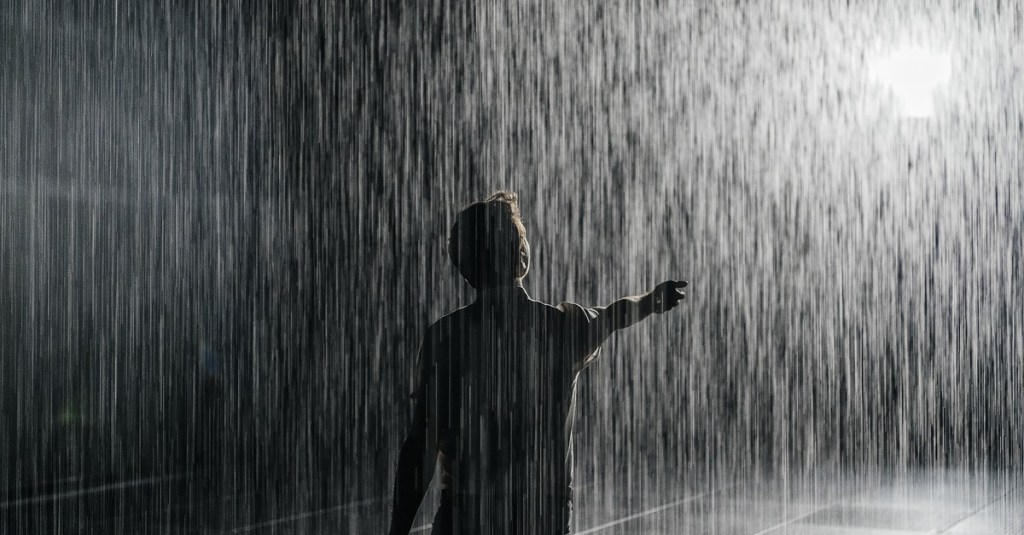
Walking Between the Raindrops

Fin – COVID-19 Final Thoughts

maxresdefault (1)

This is the finale to the COVID-19 Series.

Overall, I rather enjoyed writing broadly and personally about COVID-19. I’ve really allowed myself to vent out my frustration, and also see things in a more positive light than what the news has been assaulting me with for the past 6 months.

“The Great Reset” as I’ve come to coined the pandemic, has really shown the disparity in wealth and culture that globalism and capitalism has wreaked upon the world.

When you are sick, but need to go to work to earn enough upkeep to sustain your life, shit is beyond fucked.

Truly my heart goes out to all small business owners who have been destroyed by this pandemic and I can only imagine the stress and pain they are going through right now.

I’ve been fortunate to keep my retail job, this back-up plan of mine that I was going to abandon by mid 2020, literally saving me from the devastation COVID-19 has wrecked upon people’s livelihoods.

But now, with a Stage 4 lockdown coming in, I am on the same playing field, as everyone else. My store will be closed by tomorrow and I shall be out of work for the next 6 weeks.

It’ll probably feel like a very long month and a half if I am honest. I shall be putting most of my effort into getting “racer-ready” and cutting down my lap times in Gran Turismo Sport.

I’ll also have to continue my dry-firing drills, improving my Spanish and ensuring I actually come to an conclusion with regards to Sol, the sci-fi story I am creating right now.

Now that I’m looking on the mountain of work ahead of me, I’m a bit more optimistic about the stuff I have to do on this break.

With any luck, this toughest lockdown will bring the pandemic under control and some semblance of normality will return to my beloved hometown.

The cynic in me though, is skeptical. The mood here is the most down-trodden I’ve ever seen and often when the collective mood is depressive, things tend to get more self-destructive than better.

Our Premier is losing his command and respect, the people are more openly flaunting the rules, and there is a nihilistic outlook on life.

An attitude that says “if we get it, fine, so be it. I can’t be bothered fighting anymore.” This is naturally extremely dangerous and represents a collective defeatist attitude in the town, something that will only prolong the lockdown.

But, I can’t blame people for feeling that way. There is no crueller and tougher way to bounce back, after a victory felt earned, won and sealed, only for it to be taken away.

We walked away, thinking COVID-19 was defeated, that we, as a team, did our duty and job to the best of our ability. That our sacrifices meant a victory in the long run.

To have COVID-19 come back, rendering all those sacrifices for nothing, and with our bullshit tank empty, we have nothing to cling onto anymore. Hope is lost and once people lose hope, it is very difficult to behave rationally.

That is the mood of Melbourne right now, on the cusp of the toughest and strictest lockdown ever felt.

It’s as dire as it sounds.

This series has left me exhausted and replete with the amount of words and emotions I’ve dedicated to this topic.

I doubt I have much else to say on COVID-19. I’ve truly explored all the topics I want to discuss and can leave in peace.

I now have a lot of work to do and other avenues to explore.

I hope you have all enjoyed reading my opinions as much as I felt relief in writing them down.

Until the next post,

~ Damocles. 

Fantasia – Damocles’ Journal in context of COVID-19.

Geo5

This journal, has been expanding exponentially since I’ve decided to dust it off when I started my Before 30 Challenge. 

But it was COVID-19 that really allowed me to take this journal to another level and express myself even more.

I felt like talking more, mostly because I was being driven to the depths of boredom at work.

COVID-19 has really also made me wish I had an editor on board, because the keyboard at work is atrocious, and its “stickiness” causes a lot of grammatical errors and spelling mistakes.

I don’t think I’ve read a single post, whereupon publishing, I would reread it and be compelled to go back and edit out the mistakes.

This keyboard, I am writing on, truly sucks for speed too, as my thoughts often run faster than I can type. I do miss my home keyboard, because it allows my hands to keep pace with myself.

There’s also the frequent interruption to my chains of thoughts, as I have to duck out for a few seconds to serve customers or help them, before returning and struggle to recollect my chain of logic.

It’s a strange mental exercise, but one that I am slowly getting better at. I think it’s an important skill, to hold something in your mind, address something else, and then return to it.

Memory skills are something I really need to train and develop. It never ceases to amaze me, how much I forget in a day, the important details I’ve missed and the crucial conversations I lose track of.

Memories, I feel, are crucial to your overall mental well-being, because beyond its obvious indication that you don’t have dementia, it also serves an important function in reminding you of lessons you need to take heed of.

To err is to be human, to make the same error twice, is stupid.

In context of this journal, COVID-19 has also granted me a boom, in followers. I’ve been really surprised to see the number of people follow and read this blog, and show their support, even in the smallest way with a “like.” I have done absolutely nothing to promote this blog, no tags, no SEO-linkage, nothing at all.

So to have anyone genuinely read my posts, despite the huge amount content out there, still floors me. The fact that I have an audience, no matter how big or small it is, means that I feel encouraged to keep writing and producing stories.

Honestly, I get such a swell of emotion whenever I get that WordPress email telling me that someone reacted positively to my posts. It reaffirms my belief that I am not the most horrific writer out there, that people can actually enjoy reading something I’ve made.

This has been a surprising experience for me as well, because usually I am quite a private person, unwilling to share my thoughts, even amongst my friends. I made the decision to go public with this Journal, because I felt the need to be held accountable for my progress in the B30 Challenge.

“Public shaming” if you will.

I couldn’t live with myself, if I failed in front of people, so that’s why this Journal exists. To keep pushing me to create, be productive and keep practising what I preach.

It’s easy to convince yourself to accept failure when you are alone.

It’s a lot harder to convince yourself that you are doing things right, when you fail in front of people and peers.

I’m really glad I took up writing again, just before COVID-19 started, because it provides me with a reference to my state of mind before the pandemic. As I mentioned earlier, it’s amazing how much the human mind forgets and often, we need a record of ourselves to help enable more personal growth and introspection.

When we look back at ourselves, we should have two feelings: embarrassment and pride. Embarrassed that we were so uncivilised back then and proud that we have grown up and moved past that state.

Seeing progress in ourselves, is what makes us confident and better people.

This Journal has helped me see that I’m getting better, in some ways and worse in others. It lets me identify key problems within, and create solutions to address those issues.

It also serves as a pep talk to myself. I think, everyone reading this Journal can see that, whilst I am extraordinarily harsh on myself, I am also quite encouraging. I know that I’ve made mistakes, that I’ve slipped, but that isn’t a call for defeat, because I can just get back up, take notes on why I made a mistake, and not repeat it.

I suppose you could say, I do reassure myself a lot. Probably my subconscious working to protect my fragile ego.

But if it works, it works, and I’m not one to break from an established procedure that has proven itself.

In a way, COVID-19 has proven itself to be a bit of blessing when it comes to personal development. Whilst the world has gone to shit, I’ve felt more attuned to myself and my needs and my priorities. I’ve focused on making myself resilient and tough in the face of adversity.

And all the pandemics in the world, can’t really take that away from me.

It might seem like a waste of time, a frivolous expenditure of your life, but can it truly be all that bad, when you’ve improved yourself?

COVID-19 might have paused the world, but it can’t pause you.

Work hard, train hard and be hard.

~ Damocles.

Damocles’ Style ….

Farang

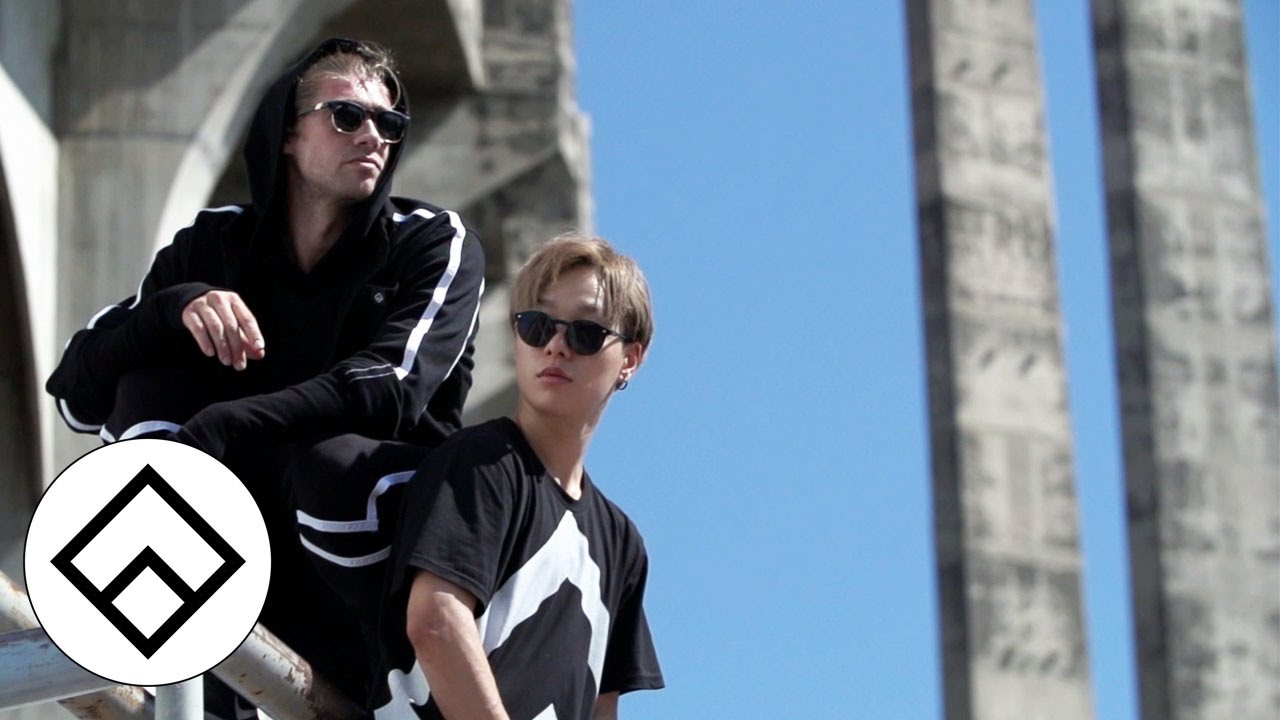
Team Farang, my parkour idols ever since I got interested in the discipline. 

This is a bit random, but I felt like discussing my own style and what I particularly like in clothing. 

Ever since I was in high school, and discovered for the very first time what a hoodie was, I have been interested in clothing ever since.

It’s not as strong as my love for tactical gear (I still need to get myself a plate carrier) but there is definitely a keen interest in how to clothe myself. One of the very first blogs I followed on WordPress, and have been an avid reader ever since, was BAMF Style, whose erudite and excellent analysis of so many important pop culture and obscure outfits, have enthralled me and informed my own choices.

I mostly buy a lot of muted, earthy colours. Being a Melburnian, this obviously means a lot of … blue. I’m kidding of course, in reality, the natural colour of this city is black.

But I honestly don’t own that many black items.

My approach to colour tends to be very dark navy blues, with lighter colours like brown and greys to balance out the whole look. Overall, I would have to say my style is quite muted, more akin to blending in with the crowd, than trying hard to stand out and be a personality.

It also tends to be quite functional, with many of my purchases based around my EDC policy, and thus I need a lot of strong belts, pockets and looser cuts to hide my various gadgets.

There are so many looks I would love to explore. A great example I adore is the 80s Miami Vice aesthetics of pastel pinks, blues and aqua, but with my physique and “mentality” when it comes to clothes, I cannot pull off such a look.

Another admirable trend I love, are the colours that often people of African descent can pull off. I love the bright purples, yellows and oranges that they pull off with such ease and aplomb, but, my skin tone and physique again, lacks the ability to handle such brightness.

So, how do I dress myself?

Predominantly in 3 styles.

Street. Paramilitary. Suave.

Each of these style represent a rather unique period of my life and dovetails nicely with the obsessions I had at the time. However, the current theme I noticed in all of them, are practical elements that always pay service to the gadgets I have on board.

These gadgets, have grown over the years, but currently they stand at this list:

  • Suunto All Core Watch
  • Milspec550 Paracord Trooper Bracelet
  • Samsung A90 Phone
  • Ipod Nano 7th Gen
  • Dr Dre. Powerbeats Pro headphones
  • CAT Tourniquet
  • Pelican Flashlight
  • Leatherman Skeletool
  • Car Keys
  • Pocket Tissues

It is a lot of gear to carry around, and given my perchance for running, I have to definitely have freedom of movement in whatever clothes I wear. I’ve ran in suits, street-wear and jeans, and enjoyed the feel of all of them.

If I can’t burst into a sprint at a moment’s notice, I automatically reject the garment.

So with those caveats in mind, here is a breakdown of the styles I follow.

Street.

05district-span-articleLarge

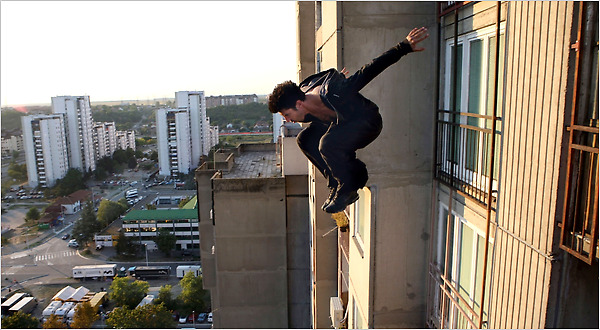
David Belle performing a stunt in the film: District 13 Ultimatum (2009)

The first real style I began to invest in, once I left the bubble of high school, was street clothing.

I was obsessed with cargo pants; their utility, baggy fit, and durability beautifully dovetailed with the amount of concrete I was slamming my body into, when I was getting into parkour.

I still recall fondly my Under Armour cargo pants, which served me for nearly 5+ years, and got so worn around the knees, there were giant holes there. I had genuinely gone through the wringer with them and to pair with these pants, I mostly wore Nike black runners, and my black Reach parkour shirt.

If I was cold, I would buy a cheap hoodie, that I didn’t mind ripping holes into. I ended up going through two hoodies.

The first was a cheap British brand, I forget the name off, in which, after a year, the hem was perforated with holes, from my rough landings. The second was my Ubi-Workshop Assassin Creed II hoodie, which had a small eagle peak atop the hood.

It was this amazing red/black design, that I absolutely loved to wear everywhere and it was also tight and streamlined, thus allowing me full freedom of movement in it.

I was also skateboarding a lot back then, having just bought a cheap board, and then spray-painting it black and adding a red Spiderman logo on it. It suited my hoodie a lot, I must say.

That was my main look, I rocked throughout most of university, skateboarding or running around in that outfit, eager to feel pavement under my feet, instead of carpeted tutorial rooms.

I still own a lot of these items, but now I’ve added a lot more colour (pastel pink and blues) and long-sleeved shirts to them. There is a uniquely Melbourne brand I shop at, called Sure! whose streetwear I love, and support, because “streetwear” should ideally be linked to the city whose streets you love the most.

I don’t really do Supreme or anything similar, mostly because the concept of paying a lot to look a bit “drab” is bizarre to me. Streetwear should be comfortable, affordable and representative of your city. Anything else, just seems excessive.

If I had to sum up my streetwear, it’s mostly long-sleeved shirts, tapered pants, a lot of clothes from the Team Farang store and admittedly, a whole lot of black, because the holes and damage don’t show up as much, when I engage in rolls and tumbles across concrete.

My streetwear, is essentially based around parkour. Comfortable, slightly stylish and sleek outfits that make me feel cool, (physically and mentally) when running through the streets of Melbourne.

Out of the three styles, this one is probably has the least amount of investment in it, because I don’t do parkour as much anymore (even though I really want to), but it is the first adoption of any particular approach towards fashion.

And there are always things on the Team Farang store I really, really want to wear.

Paramilitary.

106220990_313093626515197_5409864668817161629_n

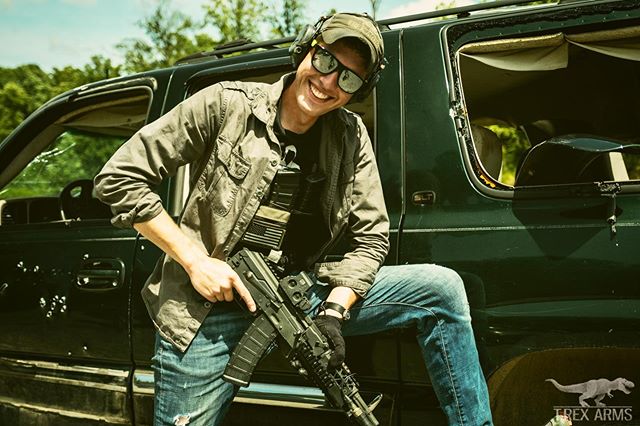
Lucas Botkin of T.Rex Arms fame, smiling for once. 

Out of the three styles, this is my general preference and the most I’ve actually invested in.

Christened by me as the “off-duty cop” look, it is the style that military or police adopt when trying their best to “blend” with society, but really, to anyone in the business, they stand out like a sore thumb.

It is also a look, that once called out, you can instantly see what it is.

Functional, practical, and slightly mismatched. You can instantly spot why certain articles of clothing enable certain movements and concealment of gadgets. It is also getting increasingly expensive, with the rise of “military Gucci” gear, like certain type of clothes costing exorbitant amounts, because they look good and serve a good function.

Very unlike a lot of gear out there that just serve a function and look horrific.

In my case, it bought about a whole new obsession with flannel shirts, and henley shirts. I ended up with a whole host of colours to suit any mood I am in, and I always invariably ended up rolling up my sleeves and leaving that shirt unbuttoned.

Due to my size and style, I actually buy a lot of these shirts from Muji whose style and philosophy allow for comfortable, simple and nondescript clothing really help play down my paramilitary vibe. Their flannel colours are always nice and I enjoy the little collar to add some depth to the shirts.

For my base layer, it tends to be henley shirts, or just good long-sleeved shirts ideally from Superdry or since I have recently explored and upgraded to this brand, Arc’teryx. Out of the two, I preferred Arc’teryx for their colours, fit and overall feel, but my biggest issue are their stock in Australia. The Canadian and American sites really showcase how much they have on offer, and the Australian website is truly awful in comparison.

I would also love to access the Arc’teryx LEAF collection but that is an impossibility here. I also adore their jackets. I am currently saving up for one, and will be very happy once I get their outer-shell jackets.

Another brand that has actually grown a lot here, is 5.11 Tactical whose pants are phenomenal for this style. They strike the right balance between functional and aesthetic, in particular I love their Defender-Flex jeans which just hits everything I want in a pair of denim pants.

In addition to that, I frequently wear their Apex pants, and swear by them, as one of the most comfortable and utilitarian pants out there.

A typical look for me, everyday, is to slip on a long sleeved Arc’teryx shirt, a nondescript Muji outer shirt, my 5.11 jeans, and my Under Armour Valsetz combat boots, with a Arx’teryx beanie to finish the look.

Every single one of my gadgets feel good in the pockets, or hidden away on my 5.11 belt (I have yet to get a belt from T.Rex Arms) and I feel like nothing is loose or showing too much on my body.

The outfit makes me feel rugged, ready and prepared for absolutely anything, while feeling relatively stylish and casual about anything.

I absolutely love this look, and feel like it is the best representation of who I am, and what I am about.

I’ve probably spent far too much accessorising this style too, with an ever growing list of beanies, gloves, Maxpedition bags, sunglasses and caps.

It is very American-influenced and I don’t mind too much if I am honest. Ruggedness is something I aspire for.

This style is at the moment, what peak Damocles emulates currently.

Suave.

crgray-pants1

Daniel Craig as 007 in Casino Royale (2006) 

Admittedly, one of the biggest influences for me growing up, in terms of cinema, narrative, style and even as a role model, was Daniel Craig and Martin Campbell’s interpretation of James Bond in the film Casino Royale.

Still my favourite Bond film to this day, with every facet of Bond ticked off beautifully, from exotic locales, to sultry femme fatales (Eva Green still captivates me to this day), Casino Royale was one of those films I rewatched so much, I almost remember every line.

It also sparked an interest in reading the Bond novels, a series which admittedly hasn’t aged particularly well, but serve more as an example of thinking and mindsets popular back then.

What did surprise me though, were the highly detailed description of luxury, interspersed with interesting prose about life, death and action scenes.

The food, clothes, drinks and locations were all vividly described in such detail, I can still remember memorable scenes of Bond eating a meal in the books.

Casino Royale nailed that level of detail and bought it into the modern age.

I don’t think there is a single outfit in that film, that Bond wears, that I have not sought to replicate in some shape or form, except maybe that Hawaiian shirt at the beginning of the film.

The leather jacket in Miami with that pastel blue colour remains something that haunts me, knowing that I can never pull of leather as well as Daniel Craig.

The dark blue Sunspel polo in the Bahamas remains an item, just out of my reach, my bank account unable to justify the price.

Casino Royale remains the fundamental template upon which I still base a lot of my looks around when it comes to more expensive and suave taste.

British luxury brands, are definitely something I have acquired a taste for, but am unable to afford.

Take for example, N.Peal whose amazing cashmere range has been featured extensively in Skyfall, Spectre and No Time To Die. The promotional imagery of all the films, have, in some shape or form, recommended N.Peal, even more than Tom Ford.

The gorgeous tactneck for the Spectre poster, and the classic British military-styled blue jumper for No Time to Die had me salivating for something similar to garb myself.

 That cashmere. 

The perfect blend of luxury and tactical classiness on display there. I don’t think you could look anymore espionage-y if you tried.

And that … is mostly the limit of my suave style. I adore functional clothing that is luxurious and stylish, and would probably gladly swap a lot of my flannel for those jumpers, if I knew I could pull them off confidently.

My style is mostly modelled after Bond’s casual clothing, less his suits, because admittedly, I don’t see myself wearing suits that often.

However, were I to fully suit up, I would probably no doubt spend 5K on getting a Tom Ford Windsor Suit. Tom Ford’s brand and style has become something of a quiet admiration for me. I love that he somehow balances American styling with hints of British and Italian in his suits and I really cannot wait to get a suit and have it tailored to me.

But currently, I will confess, I would rather get plate armour given a choice.

But the paramilitary style for me is actually nearing completion. I’ve nearly maxed out on all the items I really want to purchase. The suave style is my next target and I will no doubt be looking to get N.Peal items very, very soon.

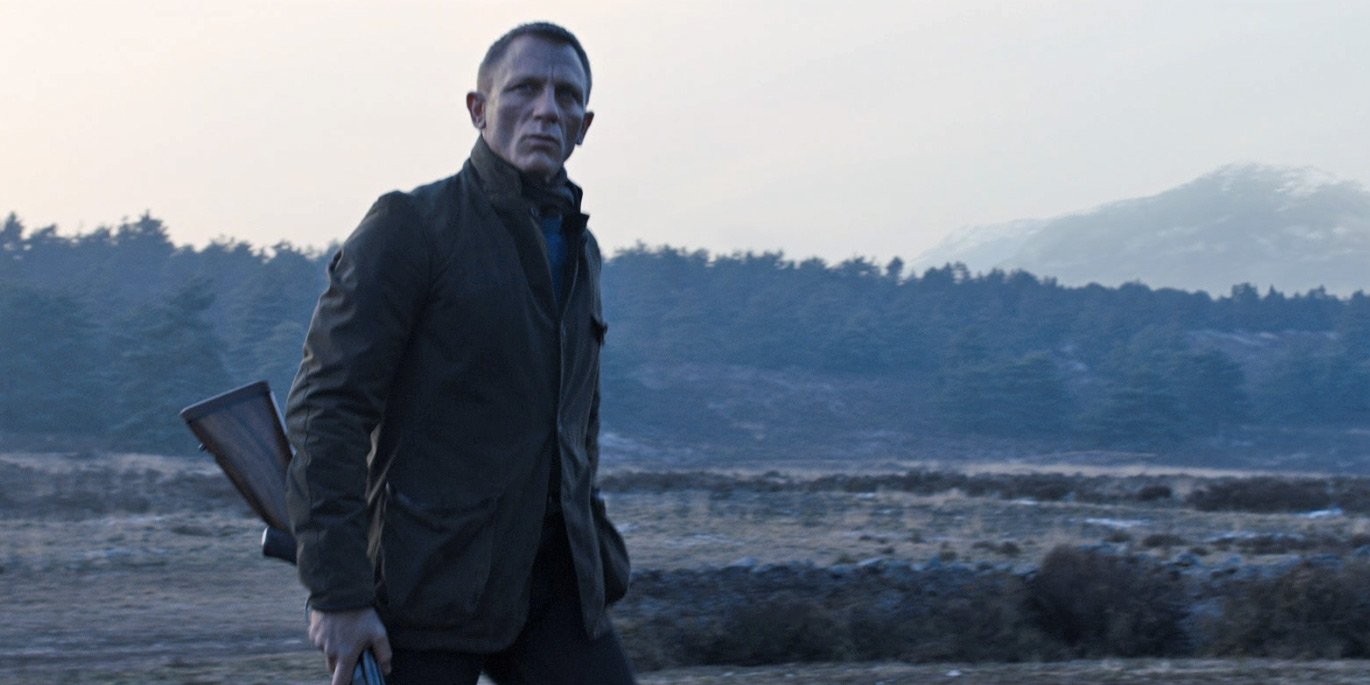
In fact, I only recently bought a Barbour jacket, similar to Bond’s Skyfall finale which was easily the standout costume in that film. Something about the ruggedness, earthy tones and colour combination truly, told me that I needed to adopt something similar.

Skyfall-Barbour-Jacket-4

Skyfall’s Barbour Jacket on display in the highlands of Scotland.

The suave style is something I have a lot of interest and passion for, but … goddamn it, it is just so bloody expensive.

Soon though. Hopefully, one day I will achieve the heights of masculine fashion and be the envy of my past self.

Bonus: Racing

EDTjQQ6X4AAdmwm

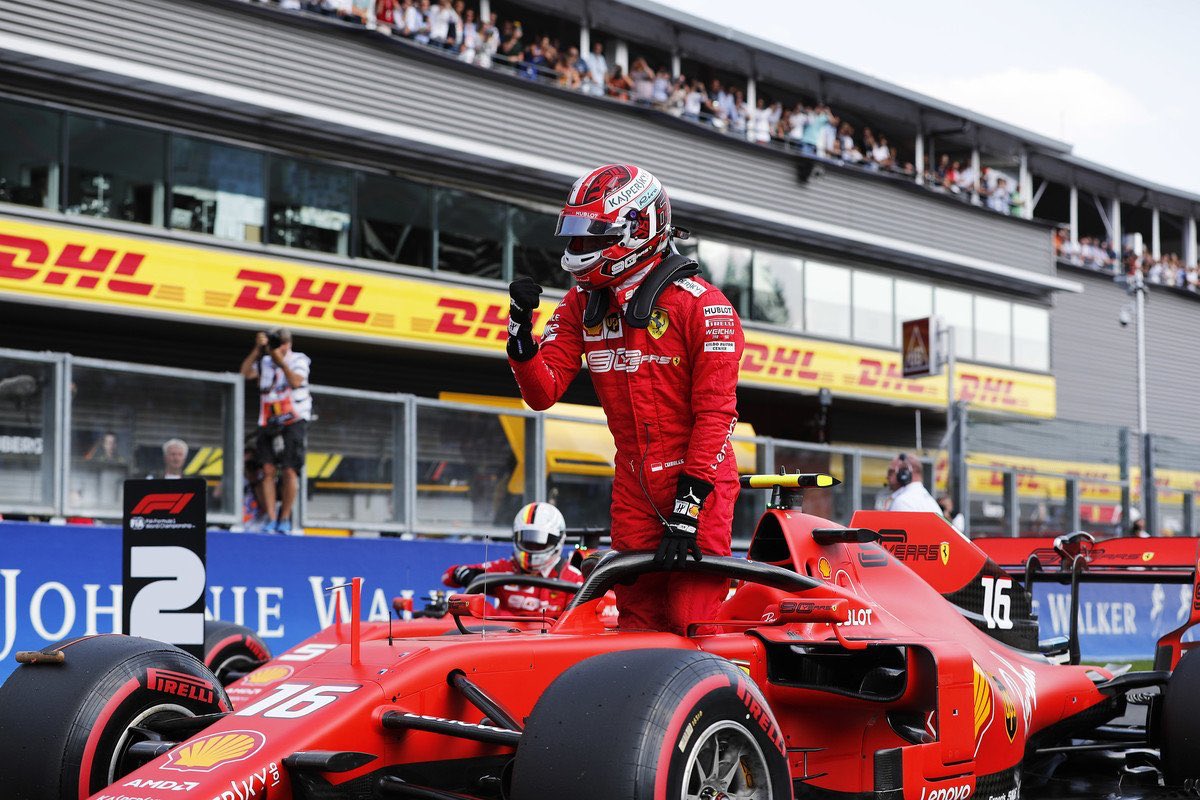
Charles Leclerc of Ferrari fame celebrating.

Even more of a pipe dream than my suave dream, are motorsport uniforms. I love racing suits and their casual uniforms. Classy, sporty and evocative uses of sponsors, I have always loved helmet designs and race suits, whether it is Formula 1 or MotoGP. Something about how utilitarian and functional they are at high speeds, while maintaining a distinct aesthetic really makes me wish I owned one for myself.

I particularly love helmet designs and if I am ever at a stage where I can customise my own, I will be over the moon.

I would probably go for a base of British Racing Green with accents of creamy gold  and a motif of a sword on the back of the helmet (sly reference to my name here).

But that description doesn’t really do justice to how it looks in my head.

Street, Paramilitary, and Suave. 

Those are the main styles that I wear in reality. I have invested the most in paramilitary and am seeking to expand my suave style.

Out of them all, I love paramilitary, since it feels like an extension of my personality.

But secretly, I really want suave to be the “me” people associate with.

Anyway, that is a brief breakdown of the style I predominantly wear, out and about.

Clothes are almost certainly a secret and quiet passion of mine, with so much variation, colour and styles out there, just waiting to be tried and worn out.

I do love fashion, but am certainly too poor to afford it as a pastime.

Damn it … N.Peal

~ Damocles. 

Fulfilment – COVID-19 Personal Habits.

Geo6

Be honest, how many of us actually started developing better habits in lockdown? 

I sure as hell didn’t.

I ended up gaining a whole lot of weight, having unfashionably long hair, and almost completely letting go of my strict diet.

The main saving grace, I suppose, is that I kept working. But the depressing vibes of working alone, in an empty store, at a depleted shopping centre, with nothing to do, ended up playing havoc with my sleeping habits, my motivation and my discipline.

The irony of COVID-19, is that I was earning more, both thanks to a very generous government and the inability to roster anyone else except myself.

But there was even less to do in these long 7 hour shifts.

Tired, lonely and my mouth aching from not actually talking to anyone, I would trundle home, eat dinner and then play games and mess about on my PC, until I would collapse from exhaustion at 3am in the morning.

Rinse and repeat.

The days would meld together, and I got more and more apathetic and dull.

Which is where I suppose, I should really thank Formula 1, for turning my life around again.

The return of my passion for racing, my inspiration for speed, my temple of pace, meant that I actually felt something break through the fog of desolation that had dictated so much of my life so far.

It got me back into racing games, transported me into genuinely wanting to be faster, smoother and agile and to re-evaluate myself and start losing weight again.

I think one of the biggest takeaways from COVID-19 has been an appraisal of personal health and well-being.

I’ve never seen so many out and about, taking walks, running and exercising, but also at the same token, I don’t think enough people are doing so too.

It’s so easy to fall into a daily routine of eating whatever you want, lounging on chairs, beds and couches, idly your time away, and reading the news about the latest COVID-19 case numbers.

I definitely can see the appeal.

It’s depressing to see numbers rise and rise, knowing that more and more of your city probably have COVID-19 and that this lockdown will only be extended longer and longer, impacting so many people’s lives.

Livelihoods and so much talent and potential has been laid waste by this virus and to fall into a funk, where you just want to watch Netflix and pretend everything is OK, that you are just holidaying in your home and taking time off work, is natural.

But, as I soon found out to my cost, that only adds depth to the bleakness.

Instead of swimming and surviving, I was sinking and suffocating.

It’s important to keep yourself sharp, at all times, when you are still able.

Old age might be encroaching, and your mortality can be held at bay if you keep yourself healthy.

Which is why I had to recapture the early spirit of 2020, when I was still hungry and eager.

I got to maintain my exercise regime and trim down more.

I have to keep practising the Spanish language, a promise I made to myself at the beginning of the year.

I need to keep writing, and make sure I can pump out at least 3 thousand words a week.

I made this series on COVID-19, and I aim to finish it.

I can’t keep abandoning things.

Personal habits should be routines you need to make, develop and adopt, not something you relapse or collapse into.

It’s damn hard to motivate yourself out of bad personal habits though.

But that is what makes you stronger, better and more productive.

Good discipline, good habits, adherence to strict routines, and constant exploration of hobbies and new interesting ideas are what creates a spice to life, that keeps you going.

Without a healthy mix of all those things, you’ll keep generating a listlessness to your life, and let COVID-19 win.

COVID-19 has created an unprecedented pause in society. Work is now cancelled and as are a lot of other things you used to do for fun.

Whether it was as simple as going to a bar for a pint, or as complex as organising a street festival celebrating a film festival, a lot of these options have been robbed from us by this pandemic.

But a pause should never be a stop. You can keep progressing, you can keep continuing on your journey.

I still have this dream of being able to race for real one day, instead of a simulator. I won’t really stop until I get to achieve that first step. I got a lot more personal training to do on my side, so much more to learn about cars, pace and speed.

I still want to continue my event business and become proud of what I’ve achieved on my own.

I still want to compete in a 3-gun competition.

I still want to publish my own novel one day too.

None of these things, have been stopped by COVID-19. Instead it’s given me more time to practice, to “dry-fire” and develop the skills I need to, without the external pressure.

Always keep training, always keep pushing your limits.

COVID-19 can’t stop you from doing that.

It sure as hell, won’t stop me.

Be disciplined, be astute and be exceptional.

Vincit qui se vincit.

He conquers, who conquers himself.

~ Damocles. 

Fantasies of Flight – The Reality of Bugging Out during a COVID-19 Apocalypse

Geo1

When you imagine what an Australian apocalypse looks like, chances are, you’ll conjure up images of Mad Max. 

As much as I would like to witness such an event here in Australia and secure my ticket to Valhalla, COVID-19 isn’t the apocalyptic event that will usher in a new era of V8 worship.

What I want to discuss here, is the concept of prepping and survivalism. What has been bought sharply into focus, is the idea that a global crisis will envelope everyone, and suddenly you are on your own.

You can’t trust your neighbours, your friends have all disappeared and so your only option is to head out to your bug-out shelter, grab that emergency survival bag and get out of town and hunker down. You’ve got enough food and shelter for yourself, to last several months, and you’re glad you’ve prepared whilst everyone else is suffering.

To me, after watching the Warrior Poet Society’s video, there were a lot of adjusting I had to do mentally, to really understand the realistic intent behind my bag, that I’ve invested in.

I lack a lot of survival skills. I don’t have any proper military training beyond shooting a rifle, and such skills aren’t really useful if you don’t actually own a damn rifle.

I also have a girlfriend and her immediate family to be concerned about. I doubt that I will be abandoning her, my own family just to gallivant around in the woods, on my own.

What is of use to me, are my friends, who have a lot more experience than I do. That is the network that I should be focusing my energy and time on, not spending on tactical gear and filling out a Book of Eli fantasy.

If a true apocalypse arrives, you cannot survive on your own. Humanity for most of its history, has proven time and time again, that protection in a large group is what saves you, as an individual. From the time we’ve dwelled in caves, to now, we are strong together, not alone.

So the real, reality of bugging-out in an apocalypse, is that you should have a prep bag to get you to your network of friends and family. A bag that will allow you to survive until you’ve reached your group hangout. Which is where the marriage of EDC (Every Day Carry) and Bug-Out Bag comes into fruition.

If your hideaway is far and remote, then you need to pack and sort accordingly and have that bag with you handy, wherever you go, so that when shit does go down, you can survive the trip to that hideaway.

However, do we really need such extreme measures for survival?

The question I want to pose to myself and everyone else out there, is that will society ever truly collapse? COVID-19 showed that humanity has the ability to bounce back against such disruptive measures to civilisation and continue to function, barring from a few weeks of insanity.

The only real time such “prepping” may come in handy, would be an invasion by a hostile force, nuclear winters or God forbid, “zombie”-style apocalypse. A lot is riding on you to actually survive the initial onslaught and make it to your hideout.

That is the argument though, if such an instance actually occurs, you got your supplies and abilities to survive on. If you are one of the lucky few to live beyond the first initial disaster, you can thrive on your early preparedness.

Additionally, even if you were to perish early on, at least you could rest easier knowing that your network of friends and family could take advantage of the early preparation you had all invested in.

The reality of bugging out in a true pandemic, is that there is a lot of money, investment and skills you need to learn, in order to prepare properly. A lot of equipment is restricted to military use, and in fact, a lot of preparation is taught for the military, when you are more likely to face “S&E – Survival & Evasion” situations, with your squad captured and death, and you have to escape to friendly lines.

Even in that situation, the goal is not to survive endlessly in the woods, but to just survive until you reach friendly forces.

Prepping is as much paranoia as it is stress-relief, where you fear for your own life and unknown threats, but the skills, and companions you get along the way to assuage this fear, also allows you to tap into something you never really you knew you had before … the ability to excel at a lot of things.

Skills learnt in a survivalist camp, so to speak, allows you to really appreciate long-lost underappreciated skills that a lot of people lack. Getting back to the roots of humanity, with tracking skills, hunting, sleeping rough, identifying animals and edible plants and so much more, are all valuable and stress-reliving activities that acknowledge the huge information gap people aren’t aware they lack today.

It empowers you, knowing that you have such skills at your deployment and allows you to appreciate the dangers and folly of surviving on your own, if you still fantasise about the Book of Eli. 

In addition, doesn’t it just make sense to have someone around in case of injury? If you sprain your ankle, and run out of food, you might starve to death. Surviving alone too, causes a lot of mental instability and in all honesty, there are too many times in life, when you need to rely on someone.

The truth is, COVID-19’s pandemic served as a small wake-up call for me. I had to be more realistic about my prepping and about why I was doing it. This was a small crisis, in comparison to the larger fears I had about nuclear winters or zombie apocalypses.

It revealed I had to be smarter about it all, spend more time preparing my network, not my gear and invest in skills that will actually serve me well.

I also realised that in the first initial stage of any crisis, people tend to go nuts, so I better prepare myself for shortages.

Despite this, I still commend most governments for their work and response to this unprecedented crisis. I still don’t really trust them and their judgement, but there is at least a sense that we might come out of this, battered, bruised, but ultimately stronger.

There is still so much for me to work on.

~ Damocles. 


Fail to Prepare, Prepare to Fail – COVID-19’s Expose on Infrastructure.

Geo2

I like to think there are two types of infrastructures when it comes to issues like COVID-19: Individual Mental Preparedness (IMP) and Government Long Term Planning (GLP).

Out of the two, IMP is the one that slips by the most. In fact, I would say, that it is the one that most people never consider themselves.

When you live in abundance, it is easy to assume that your lifestyle is the norm, that you can take it for granted.

The idea that you should invest in some kind of “bug-out” bag (more on that in another ramble) and have stocks of tinned food is largely laughed at here in Australia.

The issue is not so much hoarding supplies, but more the mental preparedness everyone should have.

For an Australian, perhaps the most American part of me, is the rigid belief that everyone should be a responsible individual, fully aware of their rights and abilities and act accordingly.

This means taking the right steps to ensure that you are a self-reliant individual, that you have done the work to prepare yourself for disaster and you don’t rely on outside help too much. It means understanding your role in society, how you can help others with your knowledge, building a network of support within your circle and coming together when it counts.

It also means that you understand that fundamentally, the government’s role is not to directly support you, but the greater whole, and that it is your responsibility to take care of yourself in drastic situations and those around you.

This does not equate to hoarding supplies for yourself, especially in time of strife. If large purchases were meant to be shared amongst your support network, then this is more acceptable, but such a network should have already been prepared long before the crisis hit.

I think a large portion of the population lack a good amount of IMP. There is a bizarre habit of relying on the government to spoon feed us everything and miro-manage us. However when they do go to spoon-feed us, we revolt and claim that they are oppressive.

I like to believe that when a strong individual has good mental preparedness, there is a keen appreciation for what you already have and the means in which you can prepare yourself. This preparation allows you to have strong mental acuity throughout the crisis, and lessens poor behaviour like hoarding.

Blaming the government for all the problems you have, expecting them to bail you out and rounding on strangers for breaking curfew, are all signs of people who lack good mental preparedness for extraordinary situations.

This is why, in the Facsimile post, I lamented the death of curiosity. If curiosity was a greater element in today’s society, more people who be aware of the dangers that are present out there and be more proactive in learning skills for themselves.

Whether it would be being aware in the back of your mind that the world is due a pandemic, or perhaps even you learning about the great woodsmen who hid out in the forests, living off the land and inspiring you to emulate them, a greater sense of curiosity allows you to develop awareness of issues and create a drive to be prepared for them the best you can.

For those who say what if the danger never comes? Wouldn’t all your efforts be wasted?

To that, I say, if you learnt skills throughout your journey of preparedness, how can that be a waste?

If you were a “prepper” and learnt good outdoor skills like tracking, identifying edible fruits and nuts and had a great time doing so, is that a misuse of your time?

If you made good friends and received help from them during the times when you struggled, is that really an issue?

Becoming a self-reliant and resilient individual, who take personal responsibility of their own well-being, should be the norm for people everywhere. Just because we live in a time of stability, does not means that we should abandon our learning for new skills and abilities.

Having such a strong mental infrastructure to support yourself and those around you, allow you to better prepare for devastating problems and allow you to bounce back quicker.

In today’s society, we are so relaxed, so lazy and so utterly non-curious about life and the skills we need that we have lost sight of what it actually means to be “busy” and actively improving ourselves. We think, that because our society is so great, we can rest easy on our laurels and plateau for the of our lives.

How tragic is that, to know that you can trick yourself into believing you are 100% fine the way you are.

There is a philosophy to Formula 1 that I adore and adopted for myself. At the pinnacle of motorsport, there is a desire to constantly evolve.

Much like how a second is an eternity on track, the same is off-track. The car at the beginning of a season in Australia, is entirely different to the car at Abu Dhabi for the finale. It has evolved, changed, become grippier, faster, and undergone subtle changes.

The colours and overall shape is the same, but it is now several seconds faster than the car it was at the beginning of the year.

Formula 1 cars, are constantly in a “beta phase” of continuous improvement. The progress they make never fails to astonish me. Mercedes-AMG Petronas has literally decimated the sport with their technological advances. Hate them (and I do) or love them, one has to respect their abilities to truly innovate a box on wheels.

We should all adopt such similar attitudes to ourselves. How many skills can you learn? What can you learn? What should you explore?

Should we not be constantly innovating? This only makes our past selves more interesting, because we can see actual progress when it comes to our own individual evolution and makes us grateful for what we have right now.

Gratitude for the now and a sense of purpose regarding personal improvement will easily help and empower a lot of people regain something of what we’ve lost collectively and better prepare ourselves for catastrophes.

Speaking of disasters, before COVID-19 struck, Australia had a particularly bad start to 2020, with bushfires ravaging the entirety of the Eastern Coast.

The conflagration that befell us was nothing short of biblical with its intensity, speed and longevity is defeating almost all of our conventional fire tactics.

To understand just how terrible this year’s bushfire was, there are just three salient points to note:

  1. The fire was so intense, the smoke created a breathing hazard in metropolitian areas and turned the skies a hellish brownish red. I could physically taste the smoke where I lived, something I never thought I would ever experience. I researched face-masks before COVID-19, wondering if I needed them, after the smoke proved that bad.
  2. We have the largest, most professional bushfire volunteer corp in the world. We know fire. We backburn regularly. We do everything in our power to ensure the flames do not enter properties. We did everything right where we could, but we still lost.
  3. 18.6 million hectares were burnt, a billion animals died and many species driven to extinction and as much as 300 million tones of CO2 were emitted into the atmosphere and 6 firefighters died.

It was obscene.

Much of the blame was attributed to extremely dry conditions that had developed in late 2019, and the lacklustre response by the Australian government to properly take action.

Rightly so.

Many people who live in rural areas, already tend to have excellent IMP. They are resilient, hard-working people with extensive knowledge ranging from raising cows to fixing their Holden ute’s engine. But no amount of preparation can combat one of the worst droughts ever experienced and a wall of fire that somehow lit up the areas you had just backburned.

This is where the failure of government long term planning comes into play. Climate change denial is a ridiculous policy to adopt. It is always better to err on the side of caution than to somehow think that there is nothing changing about the planet’s climate.

The government’s lack of response to the drought, the constant refusal and acknowledgement of rural Australian issues and denial to take preventative action is purely theirs for blame. They may not have started the fires, but they were the reason why it took so long to finish the fight.

It should not have taken a Black Summer to end the fires.

The focus of every government should always be the future. In an ideal world, that is their job. To help where individuals cannot. To future-proof us and set-up frameworks that benefit society as a whole.

The Black Summer of 2020 is a colossal failure of that concept. Persistent warnings from Fire Chiefs around the region, and scientific data were all ignored for a party’s policy regarding “ignorance around climate change.”

A party so far removed from the fight, that their illustrious leader tried to force handshakes with people directly affected by it.

I find myself, a relatively reasonable and cool-headed individual at most times, but every time I think about this year’s bushfires, there is this righteous anger that flares up and makes me furious.

The failure of the government’s infrastructure to everyone directly involved, in monumental and I find it despicable that such poor leadership continue to be unpunished.

Anywhere else in a workplace, such incompetence would have resulted in instant dismissal and exile.

Our Prime Minister is still here.

Being a moron.

Moving on, to COVID-19, I think, the pandemic, globally has shown just how petty a lot of our political parties are. The sheer toxicity in the political environment has slowed mankind’s progress down to a crawl.

Ideologies are exchanged without a care for proper vision and a need to guide the future, not destroy the past.

Reactionary division seems to be name of the game for contemporary politics and such stupidity will only serve to slow down our ability to react to our own issues.

Global politics has also serve as a detriment to how we handle national issues. Our leaders do not need to fix the world’s problem. They need to fix our problems first.

The over-complexity of globalism has created an impossible task for politicians. They need to present themselves for examination to the rest of the world, whilst simultaneously proving themselves to the citizens of their country.

This is impossible as well as superfluous. Your country is deemed successful by what your country does within its’ own borders. Everyone else will look on with admiration for what your country has accomplished, if it is ruled well. Foreign policy should be a lesser priority, especially considering how globalism seems to value bringing everyone down to a crappy, instead of individual progress.

For truly global players like the U.S. or China, they can play against each other, but for many countries, including my own, we need to focus less on what the U.S. or China wants and more on what we can improve here. There is this irritating need to placate the bigger powers, when really, the energy spent there, could be focused elsewhere internally.

There needs to be a culture change around manufacturing, around jobs and around how we view ourselves as a nation, if we are to properly address issues within our own borders. Self-reliance, self-sustaining and self-awareness of our limitations, our strengths and our resources are the key to tackling issues that the world throws at us.

The stronger you are internally, the better you can handle the stresses of the world.

The same principle applies to an individual, as it does for a nation.

COVID-19 displayed hundreds of flaws that have been built up around the need to focus on globalism and “anti-local” practices to make a quick buck. This is what I define as a lack of infrastructure to deal with major problems like a global pandemic.

I won’t touch on them all, but the most obvious one to me, are international students and universities.

I won’t sugar-coat it, my dyad of degrees have left me with an extreme bitterness and anger towards the education system, especially on a tertiary level.

How Australian Universities display COVID-19 Lack of Infrastructure Planning.  

There is a high atmosphere of dissatisfaction when it comes to the average Australian university student’s experience.

This isn’t coming from a decidedly bitter and frustrated individual like myself, but many on-the-ground discussions I’ve had with my friends and my limited time as a Monash University journalism student eager to expose the bullshit universities present to us.

First some facts.

In Victoria, university education is not free. HECs are a type of government loan that almost all normal students have to acquire in order to attend universities because paying those upfront fees are almost impossible for most families.

HECs are valued at approximately 10,000 AUD per year. This means that an average student will accumulate around 30,000 AUD in debts by the time they finish their undergraduate degree.

30,000 AUD. Enough to afford a decent car. But instead you receive an arbitrary piece of paper.

With well over tens of thousands of students every year applying for a degree, that is a lot of money rolling in from HECs alone.

However, in their infinite wisdom, top tiered Victorian universities decided to leverage their reputation for excellent education by opening themselves up to the international market.

So now, we get an increased flux of international students from every single country around the world, eager for the taste of juicy Australian education.

None of these students can borrow from the government. All of them have to pay upfront. This means a greater cash flow for universities and thus more money for everyone in them. Everyone should theoretically get a better education. More equipment, better facilities, fancier and better looking tutors and blah, blah, blah.

Reasonable right?

Well, no, you’d be wrong. Because the slow bastardisation from a once proud lineage of excellent education has now turned into a multi-million dollar corporation with the “Vice-Chancellor” now effectively a CEO.

If the Church of EA (a gamer reference there) has taught us anything, most corporations that get big quick, tends to engage in some pretty atrocious anti-consumer practices.

It didn’t take long for universities to do just that.

Let’s go through the long litany of sins shall we? I shall do my best to stick to a 2 sentences per sin.

First, the standard for entry got raised and dropped at the same time. Your score in VCE became more crucial than ever before to get into truly elite courses such as Biomedicine, but was also worthless when it came to other “simpler” courses like Science.

You could now get a degree by achieving the bare minimum. Personal anecdote: I got my Science degree with Passes for almost every single science subject I did. Passes are a score of 50-60. Credit were measly 60-70s, Distinction were ranged from 70-80 and a High Distinction was 80-100.

So many students have applied for universities after high school, without any proper reason to do so, other than “it’s university, you should do it, like everyone else.” This persistent intake year after year, created a situation where in the end, the shitty students like myself caused the idea of undergraduate degrees to become a formality, not an achievement.

Passing an undergraduate, became as easy as passing high school. This creates a different attitude to job-markets, where suddenly everyone has a degree and you are no longer considered special.

Universities’ facilities became worse, as more and more students crammed into inadequate laboratories, and used ancient technology. Where was all the money coming in, being spent on? There weren’t even enough study areas to fit students with their laptops.

University clubs also lacked support, with many Club Presidents having no experience, nor mentors to assist with the maintenance of club fees and be efficient with marketing during Orientation Week.

Privatisation within Universities also became a unique bureaucratic nightmare, such as my own experience in the Fencing Club, as I had to deal with a separate organisation beyond Monash University called TEAM-Monash. They represented and also didn’t represent Monash University in the same capacity, making it a nightmare to navigate the organisation structure and discuss club issues with.

Tutors and lecturers were often unhelpful and recalcitrant, many of them lacking proper education etiquette, leaving many students stranded and alone, desperate for help. Crude powerpoint lectures would lack information and answers for exams, leaving students like myself, immensely infuriated.

The teaching style was insanely lazy. Many subjects resorted to rote learning, quite potentially the dumbest, most apathetic style of teaching ever devised, and of no use in a proper workplace or in the life-skills department. You do not remember what you’ve learnt in 2 weeks of cramming for an exam versus the valuable lessons taught in a proper workplace with hands-on practical assessment.

Rote might be adequate for primary and high school, but at a tertiary level, such methodology are woefully insufficient for what is meant to be a stepping stone to a career.

Perhaps, the last and most damning sin of all, is that universities don’t give a shit about their students. The atmosphere of apathy is so strong, that it leaves many students feeling lost, aimless and depressed.

We are treated like cash cows, given a caged lifestyle of laziness, depression, loneliness and poverty.

Punctuated only by furious cramming and borderline satisfaction that you’ve survived.

Only for that sensation to be depleted by the next semester.

I’ve rarely seen any students have a good time at universities, which speak to the piss-poor infrastructure that universities have created with their management and priorities. When there is a palatable sense of despondency around campus, you know instinctively there is something wrong.

COVID-19 finally paid the huge amount of karma that these institutions have long had coming with their gross malpractice of greed and poor infrastructure. Too long have they relied on international students to keep their coffers full and continue their slide into mediocrity.

I am immensely pleased to see such “education camps” suffer, because they’ve made students and their families suffer for so long, dashed so many dreams and left so many young people broken, with their bullshit anti-consumer practices.

To see this multi-million dollar bastard that has ruined so many people’s potential, start to crumble, is easily one of my greatest pleasures out of this pandemic.

Sincerely, I hope that this is a time for them to reflect on their own failures, and how all their poor decisions has led to this moment.

Universities represent an shining example of how globalism and poor infrastructure in context of self reliance and self-sufficiency has crippled how we conduct business.

COVID-19 needs to be seen as a lesson to start focusing inwards, improving on ourselves, before we can start addressing other nations’ issues. There are still a lot of problems, beyond our shitty education sector that we need to get answers for.

Climate change, land use, natural disasters, urbanisation, population growth, declining standard of living, our own human rights treatment, and how we can actually get a Prime Minister similar to NZ’s Jacinda Ardern are easily some of the most contentious issues plaguing our society at the moment.

All of which have taken a backseat to our need to somehow appease China and the US at the same time, without ever showing how spineless we are.

At the very least, our PM has slowly stiffened his resolve against China and are now openly calling for investigations into their affairs.

I just wished he did it when we seemed stronger.

Australia has so much to offer its own denizens. We could easily be one of the most autonomous and self-governing countries in the world, with our identity forged by our own success and abilities.

But instead, we are subservient to the world, never really pushing our limits and crippled by poor leadership and infrastructure.

If we are ever to grow, we need to really focus on ourselves and our future, instead of allowing the world to dictate what they are to us.

~ Damocles
Facsimile – The Birth of the COVID-19 Crazies

maxresdefault (2)

The insanity that comes from the fear of death is a potent reminder of how fragile we are. 

That hysteria is understandably contagious. No-one can “train” themselves to handle the threat of death.

Unless of course, you are one of those survivalist-types who like to prepare for the absolute worst.

But the majority of people out there, handle “death” very poorly, especially in wealthy countries.

When death is the exception, not the norm, suddenly facing your mortality is psychologically scarring. You’ve lived your life, fearing the next paycheck, what will happen on your favourite Netflix show and what you are going to wear for your next Friday night out.

To have all of that rendered “unimportant” because of a deadly disease, is bizarre to say the least. To have your livelihood taken away, access to emotional support stolen (friends and family) and your faith in uncertain leadership destroyed is catastrophic.

How do you react to such an emotional shift?

(Be warned, this is a long post)

Well, you turn to your good friend, the computer and log on.

But before I address the social media aspect, I would like to touch on common behaviour seen during “near-death” mindsets: fiscal irresponsibility, procreation and substance abuse.

Fiscal Irresponsibility 

Recently, in Australia, I’ve read that thousands of people have withdrew their superannuation. This “retirement package” that they always dedicate a part of their salary to, with each paycheck, is now being kept somewhere else, or being spent.

This is interesting for a number of reasons. It indicates that there is a strong portion of the population that is either stricken by the huge shortfall of jobs, and thus need the capital quickly to continue surviving, and maybe even a small percentage of that group who decided enough is enough, now is the time to be irresponsible.

Of course, this is all speculation, but during crisis, it is not uncommon to see people act upon desires that they’ve had for a long time.

That huge LEGO set that you’ve always wanted? Now is the time (this one I am definitely guilty of).

How about that tempting 4K TV you’ve been putting off? Quarantine is the perfect excuse for such reckless spending.

I don’t any evidence to really support this of course, but from a purely anecdotal and “supply” point of view, I can see this trend spike, and strangely keep retail businesses alive.

My retail store is close to Rebel Sport, JB Hi-Fi, and I am on friendly terms with an EB Games manager. When the first lockdown occurred, Nintendo Switches and Playstation 4s came flying out of those stores. Fathers bought them for their children, and stupid boyfriends like me, grabbed Switches for their girlfriends along with copies of Animal Crossing: New Horizon.

I couldn’t get my hand on a Switch for 2 months, and had to preorder extremely early. When mine arrived at the EB Games, the manager said my order was 1 of 10. 10 for a console that was literally flying off the shelves. Nintendo couldn’t keep up with orders.

The number of TVs and gym equipment that also sauntered casually past me was high. Things that people normally would never invest in, suddenly came high on their radar and these extravagant purchases meant that people were keen on maintaining a high standard in their new quarantine lifestyle.

This also lead to what I call reactionary buys.

My own LEGO purchase, a highly expensive UCS Lego STAR WARS Star Destroyer, was made because people were snatching these rare models up left right and centre. Orders at places that usually had heaps of stocks, disappeared within weeks.

I couldn’t really afford the model, but it was a childhood dream of mine to collect every single Original Trilogy ship model, and when I saw my chance to get one was fading quickly, I went in and got it before I could regret it.

I ended up regretting the purchase slightly anyway. The expense could have been placed better elsewhere. There is a rueful feeling I experience when I look at the giant box.

I wonder who else has felt that, over their reckless purchase?

Procreation

Procreation is the next interesting reaction.

PornHub, the legendary host site, offered free premium membership for a whole month. Sex stores reported record sales, as people bought all types of toys and items for months of lockdown. Porn films even showed with how people could remotely pleasure one another via a good bluetooth/internet connection.

Impressive to say the least, how the sex industry is truly one of the most resilient and profitable trades ever designed.

Sex is such a common method to relieve stress and also provide a basic biological function, to please the ticking clock that everyone has in their head. Total strangers have had relations in the aftermath of a traumatic event (plane crash, bombing etc). It is normal to desire intimacy, as a way to carry on your lineage, when you feel death is or was close. This is well documented and obvious from a mental and physical standpoint.

However, what is interesting, is the sheer number of couples who have broken it off during lockdown. Not just because of dull sex, but also because they can’t stand one another. Working from home has created friction in the environment that is supposed to be comforting and relaxed. Wives have found their husband’s habits grotesque. Husbands have discovered wives’ complaints annoying.

Forced cohabitation is suddenly responsible for a jump in divorce rates.

It is extremely fascinating to see how shoddy and shabby a relationship can be, but is continued because both parties work far from each other. Now when forced to confront each other for the first time in ages, they hate each other.

Splitting apart, whilst in lock-down is amazingly difficult. With jobs, rent, mortgage, and a whole host of other issues that COVID-19 has bought about, it is not uncommon to see exes still reside in the same house, their toxicity, bitterness and anger unable to escape and find an outlet.

Hate-fucking might just be more prevalent than ever.

Speaking of toxicity, now is time to discuss substance abuse, and then social media.

Substance Abuse

Australia, is known for its’ heavy drinking. A pivotal part of our culture, alcoholism is highly prevalent at all ages and social strata. It doesn’t matter if you are a tradie enjoying a stubbie after work, or a socialite living for the champagne in a club, alcohol is a universal element in Australia.

Should it shouldn’t be a surprise that alcoholism spiked during COVID-19, with more people buying their own supply to keep their habit happy or deal with increased loneliness.

Loneliness … it is a rather unique feeling that everyone has had to grapple with since the outbreak of COVID-19. The irony of drinking alone to deal with such a complex emotion, is that the sheer act of doing something so social as drinking, is that it enhances the feeling of loneliness.

Drugs use also has spiked, with more and more people, spending time at home, smoking up and recreationally passing the time with hallucinogens and other substances. After all, it’s a lot harder to be caught, and if your supplier is well established, getting some isn’t difficult.

It’s one way to pass the time …. despite being utterly pointless and a waste of a day.

But such self-destructive isn’t just restricted to substance abuse.

No, because now it is time to address the proper crazies. The one that can’t be rationalised with.

People who are reliant on social media (the real issue I want to discuss).

The real reason why I wanted to write this ramble.

Social media is often parroted as a “good” thing. Faster communication, the ability to utilise and harness your network for business and more global outreach are some pretty common benefits touted.

My question to all of that is … why do you need it?

The most apparent danger of social media, is the sheer ego driven into developing your ideal echo chamber. Every day, you scroll past things that only you agree with, find content that only you find agreeable and lack the vision to see beyond your own bubble that you’ve created.

It is this psychological bubble that has given rise to a whole host of issues, that previously were much smaller and less unified across the globe. The concept of “cherry picking” content that only suits you, and is enhanced by algorithms is highly unhealthy.

A small example in my own small world, is Formula 1. I am a die-hard Ferrari fan. I tend to make excuses for my favourite team, and feel very low when things aren’t going well, and experience euphoria when the team is triumphing.

Going through my Youtube recommendations, I came across a video that discussed the recent crash between Charles Leclerc (my favourite driver) and Sebastian Vettel. It was a painful moment for me, and I wanted to avoid any further news about this incident.

It took me 3 days, to keep seeing that recommendation pop up, until I finally clicked on it and to my surprise, it was a good video, with excellent clarification of the incident and great analysis on why it happened.

I ended up subscribing to the Youtuber, because he developed good and clear, objective videos regarding Formula 1.

But the fact remains, that I avoided his channel. All because I thought it didn’t agree with my bubble and how I wanted to view things.

How often do we engage with topics that we disagree with?

Should we explore more about the side we dislike?

The answer to both, should ideally be “More often and absolutely yes”

Whereas before, people had to actively search and truly find those who have similar viewpoints, now there are forums and groups that allow easy access, as long as you have suitable credentials.

Now it is even easier to surround yourself with equally crazed nut-jobs with the same crippling ego and desire to prove themselves against something.

Regardless of whether you believe in the 5G conspiracy, the COVID-19 hoax, or whatever else theory that has been thrown around, there has been a worrying trend to find an echo chamber in a world that has IO (Information Overload).

I, myself, am of the belief that COVID-19 was manufactured in a lab although this is with a healthy amount of skepticism and desire to see evidence against or for such a claim. The symptoms, rapidity, strange death rate and bizarre 14 day incubation just seem too bizarre in relation to other viral behaviours.

But the key point here, is that social media, globalism and hyper-connectivity has created this situation, where the news is no longer trusted (rightly so), people have more fragile egos and global issues explode, without any proper context.

So I will break this down, in relation to social media and COVID-19. Social media itself, is not inherently “bad” just like a firearm is not either. They are tools. Highly effective and efficient. But when wielded destructively, it is potent and should be handled with more care, in the hands and minds of individuals.

3 issues – globalism, information overload, and algorithms.

Globalism

Globalism is an inherently noble ideal.

But like communism, it doesn’t work very well. The idea that entire countries will work with each other, without ulterior motives, towards a common good, is naive and oddly unrealistic. Look no further than the UN, a shadow of itself. China, Russia, US, UK are all at loggerheads with one another. To get them to agree on one thing, is to threaten them with alien invasion or complete annihilation.

Progress gets stalled at every level, whenever these governments fight one another. Whilst the world languishes behind.

Meanwhile, the tech and corporate sector become ever stronger, becoming these enormous mega-corporations that have the power to sway the political and ideological landscape with their products. More powerful than governments, with more resources than many countries, these global players have such incredible outreach to change and sway lives to their cause if they want to.

It is oddly better that countries stay more isolated and confined to the context of themselves. One such issue that has bothered me, is the Black Lives Matter movement. It is too catchy to be regarded as a proper movement, and I feel, it is a distinctly American issue. There was an attempt to start this movement here in Australia, but it fizzled out quickly.

The reason being, is that Australia is inherently a highly successful multicultural country. The idea that racism is a extremely awful issue here is marginal and much quicker to be resolved than what is being seen in the U.S. I am of an Asian background, working in a Asian retail store and never had a single racist remark thrown at me, throughout the entire COVID-19 pandemic.

Our Sudanese refugee intake is high, and have integrated really well into the Melbourne populace, as has the Syrian, Lebanese, Chinese, and dozens of other ethnicities.

The idea that racism needs to be debated to the point where “black lives” are being killed everyday, here in Australia is ludicrous. We pay respect to the original owners of the land, our Aborigines at every important function. We adore all types of cuisines, and loves to fuse them together.

The vast majority of Australians I’ve met, have been the most relaxed and casual people. This is in stark contrast to the Asian populace, which I will definitely proclaim is one of the most racist in the entire world. They just hide it better.

But because of globalism, the BLM movement came here and doubtlessly contributed in some form or another to a 2nd lockdown here in Melbourne.

Globalism is not working out very well. When a country as wealthy and affluent as mine, end up on its knees because we rely too much on a foreign country for …. basic production, I find it troublesome.

We should be able to be self-sufficient and self-reliant, before exporting our resources to others. There is nothing wrong with manufacturing as a job, and it is time we’ve had a hard look at ourselves and question why should we be held hostage to a country like China, when we should be able to stand up for ourselves.

Australia-made needs to be a thing again. It will help us forge an identity for ourselves, a curious issue that is only made worse by globalism. Being a young country, it is difficult to pinpoint, what makes Australia … well Australia.

In the recent years, I’ve seen a huge influx of American values, and media come our way, at the cost of our own. While our countries are alike in many ways, I can’t help but think that Australians should consider themselves as slightly better, not Americans 2.0.

But the more we hear about American politics, and be fed their content and values, the more Americanised we become.

This isn’t good. I firmly believe that every country should have its own unique identity and cling firmly onto that. It is this diversity that makes humanity as a whole stand out and be interesting. To have a strong national identity is inherently good. It can be wielded in the name of patriotism, and nationalism, but such matters can be tempered and pushed aside when needed.

People need to have a strong conceptual idea what are the core values that your country stands for.

I myself, think that we suck up to America and China too much. We are at the moment, wasting our potential, playing coy with the world powers. We keep being minnows in a pond, when we could be a much bigger fish.

That’s our core value. Being too lazy to be better.

It is why countries that have such proud identities and cultures flourish and can export themselves successfully. To look at an American, you can instantly say that they value “freedom.” Their symbology and media content expouse that value. The Constitution is clear and revolutionary in changing mindsets around how people should behave and express themselves.

To look at an Japanese, you identify that they are a “honourable” country. Their people are unfailingly polite and clean up after themselves to not be a burden to their society. Everything has that extra effort put in, that is unmistakably Japanese. They clean up after themselves at World Cup tournaments. Their products are beautifully understated and minimalist.

It is why people love to be a part of these cultures, because they have values that people look up to and why they are so marketable.

Countries need to be embrace their identity more, in lieu of something bland and generic, like being “pan-European.” I like to see English people getting alongside French people. Germans joking with Hungarians, Austrians playing music alongside Russians.

Each country should celebrate its differences. It’s not particularly nice when you group them all together as “Europeans” when there are such marked differences in language and culture between them all.

Not to mention how each country handle their own economy.

A less global approach to things allows better context and control of issues like something as fundamentally wrong as the BLM, which is extremely important for America to face, but not the entire world. A more individualist approach will also help curtail the effect of social media, which has a terrible habit of exploding things out of proportion and providing misguided solutions to a very clear answer.

I dislike social media immensely when it comes to important social issues. It is so easy to just change your profile picture or repost a hashtag and think you’ve done something to change the world, when really it has meant nothing at all, because your mindset and actions haven’t impacted anything.

Slacktivism is such an apt term. Too many people feel the need to engage in it, and call out strangers for no apparent reason than to stroke their ego. The irony of it all to me, is that the true activists out there, are some of the most quiet and humble people I’ve ever come across, volunteering their time and effort and energy into endeavours that genuinely change lives.

They will be the last to call out strangers for racism, doing too little or for more money. Simply because they are too busy genuinely working to do something.

Social media, in times of crises serve little to no real purpose, beyond adding stress and hope to your mental health in equal doses, making you more emotional.

It is also a terrible haven for some of the worst communication I’ve ever seen. But more on that at the end.

Information Overload 

Information Overload is such a unique 21st Century issue. It arrived with the onset of the internet and like a lot of things, the issue was never really addressed on how people should deal with this onslaught of information.

Suddenly, you could hear news about a new fancy restaurant in England, a bombing in Pakistan, a new disease in China and the latest UN resolution.

Whereas before you were happy just knowing that there was another One Day International Cricket match coming soon to the MCG and that Australia would triumph over South Africa again (my childhood coming through there).

With all this information, what do you actually do with it?

How do you interact with this information? Do you tell your friends about what you’ve learnt? Do you do something with it?

Or do you simply emotionally react to it, and then move on with your day, bringing it up only in a random conversation somewhere in the future?

Then there is the obvious question of, what is factual and what isn’t?

Add on top of that question, that few people seldom ask is …. are your facts outdated?

Your social media feed is packed with information. Much of it useless to your actual lives. You don’t need to know what Harry and Meghan are up to, the minutiae of COVID-19 viral genetic code or the plight of the film industry in a pandemic.

The cruel twist of it all, is that technically you chose to have these items populated on your feed, because this is the information you want to have. You plugged in your interests, you liked this post and you shared a video. Your friends like this and that, you felt compelled to comment on it.

Suddenly, what was once a calm, clean, slate becomes a personalised informative mess. It’s horrible. you are tugged this way and that on Facebook, desiring to see that little red 1 to boost your ego or worse give you more information about something.

What happens though, when you get the inverse of this problem? You get the older generation, whose ignorance is obvious and the sense of curiosity is sadly lacking. Not much of a compromise is it? You get grown men and women who can’t seem to grasp the present and keep up.

Blame cannot be put solely at their feet however, after all, their primary source of information were newspapers and television. The news.

Which, has rapidly found its relevance in today’s information-soaked world, diminished. In order to keep up with social media’s “clickbait style” they’ve turned political.

The guard that once guarded against biases and ideologies, turned into the very thing they sworn to defend against.

You get concepts that certain media is “left wing” and “right wing.” As a journalist student in university, the fact that these terms even entered the discussion when it came to news-reporting alarmed me. I didn’t even know what those wings meant.

Subconscious bias is something I have longed fought to control. I knew that my reporting had to be factual, which was amusingly aided by my science degree earlier. People didn’t really want to hear my opinions. They just wanted the evidence and be allowed to come to their own conclusions.

At its purest, that is what good journalism is, to me. Being able to distil a complex topic, normalise and make it understandable and report it without any spin.

But that doesn’t sell apparently. Even though there are thousands of people out there who want their news like that, and millions more recognise that, when they acknowledge what good journalism is.

Journalism should be scientific and evidence-based, just without the jargon that hold scientific writing down.

But how can you tell!?

The sad truth is, you can’t, not really anyway. There will always be this slight sense of skepticism to it all. Whatever you read in the news, you have to learn to filter out the bias and seek the facts. You have to be open to disagreeing with the news you read, and agreeing with it as well.

Not all of it are lies. Most, if not everything, has a kernel of truth.

You just have to seek it out. Unless of course you are searching for something that validates your world-view. Then please stop.

This leads to the crux of dealing with “information overload” and its sibling issue “disinformation.”

I wish it was taught in schools on how to interact with information. This is a crucial skill that so many people lack. I only learned how when I began to selectively filter and remove pages and people on my Facebook page and actively cut out a lot of fluff in my Youtube subscriptions.

On top of actively purging a lot of content out, I also have to be aware of my ego and bias constantly. Allowing your mind to reset and consider what is important and what is useless is an important exercise in allowing you to distil what is good information and what isn’t.

The sheer amount of information out there, has had people thinking COVID-19 is a hoax, finding flawed evidence for it and genuinely believing in it. Dangerous and ego-driven, this hearkens back to substance abuse, when you find yourself emotionally backed in a corner and unable find an outlet for all the stress you are experiencing.

Imagine if you’ve lost your job and support network. You are stuck at home, alone and stressed. Logging on, the closest comfort you’ll find is in a Facebook group that says that you lost everything because of a conspiracy theory, that directly targeted you.

This is of greater comfort, because it assuages your ego more, telling you directly that you are of importance, because you found the “truth” and that out of everyone who got hurt, you suffered more than everyone else.

Driven by fear and validation in this new-found “knowledge” and with a few algorithms’ help, suddenly your entire feed is inundated with this type of disinformation and your belief in it, is only stronger. Anyone who says otherwise is automatically wrong, because this is your mental defence kicking in. You were scared but now you are strong. You have purpose. Your mind cannot be torn down again.

This is in stark contrast to someone who, if taught properly about the consequences of their emotions and ego, would regularly jettison such vitriol and if they did buy into such disinformation, they would be more open to discussion about it, then automatically assuming everyone was wrong from the get-go.

Social media is just a tool. It has proven, alongside globalism, that if left unchecked and uneducated on its handling, it can bring about a lot of destructive qualities in us and really halt progress that is currently being made and advances that already benefit us.

Algorithms

Out of all the pretentious, revolutionary ad consumer unfriendly advances to come out of the tech sector, the worst one are algorithms that essentially predict us, as human beings.

Not only do I find it morally reprehensible, I also feel it is what has truly bred and garnered strength for a lot of these large movements, like incels, SJWs, etc.

With the power of social media, you can now have an Australian young male connect with a Russian male about how much they hate women and their shared experiences in rejection. But it is what the algorithm provides that makes it even worse, because the algorithm takes it a step further, and provides even more of a platform to supplant evidence in these misguided fools’ heads.

Recommendations should not come from a virtual program, but an actual person. Not only does an actual person have obvious validity, it also helps you from going down a rabbit hole you never wished you did.

It is always a bad thing to develop an echo chamber. Or at least, have one so strong that not even a single criticism can enter it.

There’s a genuine need to revitalise the sense of curiosity and breadth of interests and topics in people’s lives. You should never allow algorithms to dictate what is interesting, and close the app satisfied that you have seen all the content you want to see.

Curiosity should always drive you to explore more about topics you’ve never thought you would learn about. Say what you will about older generations and how they sourced information, but an old-fashioned newspaper, read end to end, has an incredible range of topics that could pique your interest and allow you to learn more.

Algorithms have us trapped in a cycle of narrow-minded focus. Once you’ve discovered all the content creators of a certain topic, you should start seeking another topic and devouring that avenue. A personal example for myself, are Youtube film analysts.

All the common ones, from Nando v Movies, Mauler, The Critical Drinker, Filmento, Captain Midnight, if they’ve made a video on Superhero films, I’ve probably seen it and rewatched them for entertainment value. This is what is good about the algorithm, allowing me to explore more and seeing who else has made videos about Batman v Superman, or The Last Jedi.

But I also became trapped in that cycle and never really got recommended anything else, until I found a new topic of interest. I would log onto Youtube, scroll endlessly for 5 minutes, before shutting it off and refreshing it, hoping something new would turn up. But I inevitably watched something I’ve already seen.

Recommendations should be a bit more outlier, a true breath of fresh air to keep your mind active and ticking.

Falling further down the rabbit hole, when all you wanted was to scratch the surface, is not a welcome feeling. It leaves you feeling listless, like there is nothing else out there for you to enjoy. How often do you genuinely scroll through Netflix, only to turn it off or rewatch something instead of actively trying out something new?

The death of curiosity, because of globalism, algorithms and information overload is a terrible fact for humanity.

Without curiosity, without new and diverse interests, you run the risk of becoming stale and stubborn. Reverting to nihilistic thinking and defensive mental behaviours.

This is why social media may not have created these crazy COVID-19 theories, but they definitely perpetuated them.

Curiosity and Communication … Conclusion

This is probably the longest ramble, because I’ve had a lot on my mind about this whole thing, and why we’ve come to this state. I will touch on the failure of our infrastructure both from a individual mental state and government’s set ups more in the next ramble, but for now this was me exploring why I think all these crazy theories appeared and the reason why they did.

At the heart of the social media issue, is the death of curiosity.

Globalism has made the world smaller, less interesting and more “terrible” when in reality, it has been this way for generations. But you don’t find yourself wanting to find out more. You already know what is going on in Europe in regards to its’ struggling finances. So you ignore it. I can’t be bothered to visit Greece right now, because its’ economy is in shambles you say to yourself.

But don’t you wish to visit and learn more about the Pantheon? Discover how the Greeks created and guided the development of philosophy and democracy?

You can’t dismiss an entire nation, because you’ve read some news about it, that was terrible. But we find ourselves doing just that because of the effects of globalism.

And no, wanting to travel is not a result of curiosity. True curiosity is exploring the unknown, the strange and the potentially dangerous. Wanting to visit a shrine where an Instagram model took a photo, isn’t curiosity, it’s a desire to be part of a trend.

It can inspire curiosity, but it isn’t the proper definition of the word. If you avoid all the tourist traps, then yes, the travel trip can be defined as such.

Algorithms stifles your curiosity and leads you down rabbit holes that can dangerously validate disinformation and justify extremist beliefs, that information overload can guide you to.

With curiosity in such short supply, is it really out of the realm of possibility that communication has become so terrible?

When you see the interaction on social media, it is undeniably toxic. Strangers can lambast and judge each other with impunity. Horrible comments can be viewed, whether they are honest or made to incense people, is unknown.

Even in our “messenger world” it takes a huge amount of skill and emotional restraint/clairvoyance to convey extremely complex emotions via a simple line of text and to not take things personally when our message is left on “read.”

(A topic I will discuss in infrastructure)

Communication without a voice, without a face, without proper context will always inevitably become terrible. Unless you are a savant when it comes to tone, or know the person receiving your messages extremely well, poor communication will only be exacerbated by a lack of curiosity.

It is so rare to see proper debate on the internet, because curiosity is so rare itself. To be curious, is to see the other point of view, and allow it to colour your own.

To be curious is to hear out the other side, allow them to defend themselves and be respectful.

COVID-19 has displayed to me, more than anything about all the crazy theories, and people, that we have a fundamental problem in how we communicate in the 21st Century.

People aren’t curious, the crazies out there don’t want to learn more about COVID-19. They are so wrapped up in their own ego, have such a detriment of curiosity in them, that they cannot see the disease as anything but an assault on their id.

That is what saddens me the most … knowing that the world is no longer properly curious about things anymore.

Without curiosity, how can there be progress?

~ Damocles

P.S. Thanks for somehow making it to the end of this ramble. It sits at 5452 words.

Fallen Dreams – How COVID-19 Changed the Future.

35165148690_1f60ae7262_k

Event Management was one of the very first casualties of the COVID-19 pandemic and thus my livelihood also went the way of the Dodo. 

I had very strong plans for 2020. With my limited resources and experiences, I had made a significant investment into my new business, Tofu Events.

I pulled off one event.

Then Tofu Events turned into a dream that will only have a chance at getting resurrected 2 years from now.

Even that event was a bust. It was a Lunar New Year festival.

Incredibly untimely, given the news that was coming from China at the time, and the recent bushfire catastrophe in Australia.

The number of attendees was depressingly low, but organisation, work and overall vibe was great. It probably did the best out of the myriad of LNY events in Melbourne at that time.

But my dream of using that festival to springboard forward and promote my talents in event management was to remain just that … a dream.

It’s only been recently, I’ve considered how much has gone to waste. The countless hours I spent slaving away at my website, designing everything from scratch. The networking I did to get my name known. The money that I spent on equipment, and gear, now just sitting forlornly in my garage.

All of it, squandered.

I was meant to quit my retail job around this time, mid July. To fully commit myself to marketing my company and skills. I was eager to make my first 20K in a year to prove that my dream was possible, that it had potential. That I wasn’t a fool to start my own company and branch out alone in the cold, unforgiving world.

Instead, here I stand, at a desolate shopping centre, behind a laggy computer, typing my thoughts and feelings whilst Carpenter Brut‘s Trilogy album blasts angry synth in my ears.

The world really is as cold and unforgiving as they say. I didn’t stand a damn chance.

I don’t think I’ve ever really reflected on how much wasted potential was gone in a matter of weeks, because of this virus. It was almost robotic, how I treated the destruction of Tofu Events.

I noted it, bottled up my disappointment and threw it in the Sea of Forsaken, where countless other strange emotions reside.

Sure, I invested nearly 7000 dollars into it, but none of it was perishable, none of it was a significant loss and at the end of the day, there weren’t any major costs I couldn’t control, without my salary in my retail work.

I can still pay the insurance, the costs of managing a website, and my equipment doesn’t have an expiry date.

So I suppose I can’t really get furious, when I escaped relatively unscathed.

Thousands more people in Melbourne’s event sector were devastated by COVID-19, far worse than I ever was.

I was just the little shrimp that was trying to get into the ocean, but retreated back into a comfortable little creek.

I truly feel for all of them. At any event, festival, concert or whatever I attend, I am always appreciative of the work that goes in, because I’ve been there and done that.

I may criticise, and wonder at some decisions, but I will never truly lambast an organiser who I see is out and about, fixing all the small fires that occur during an event. This shit is difficult, it is stressful, it is taxing and it is underappreciated.

Event management and production is a hugely sacrificial job. You don’t have regular hours, you pour heart and soul into everything from decorations to marketing and at the end of the day, it’s not even up to you, whether things go right or wrong.

Events are inherently risky.

Weather can literally destroy months of work in an instant. Contractors can randomly hike up prices year by year. Volunteers can be unreliable and cause undue stress on the big day. People may never hear of your event and will not turn up.

But it’s rewarding, when everything comes together. The pay-off is always huge. Smiles from happy stall-holders keep you going. Laughter from cute couples on a date at your event, encourage you. The wonder on people’s faces at your hard work, will never fade away in your heart.

Now, in 2020 … it will take years for event businesses to recover. In a town like Melbourne, where events happen almost every weekend, there are thousands of people out of a job and completely clueless, unsure of what to do, uncertain of their future. What the hell did these underappreciated souls do, to deserve this, is beyond me.

No one ever thanks the sound technician for amazing audio. No one ever acknowledges the volunteer who guided people around a confusing festival layout. No one ever sees the army of organisers who put everything together, who fixed the program, who tweaked the store layout, who spent countless hours labouring away at an competition description ….

It’s the talent behind the facade that brings an event together.

I got away amazingly lucky if I am honest. I was only just starting. I wasn’t established. So the loss incurred wasn’t great.

Better to be shot in the arm, than the head I suppose.

Cynical approach, I’m aware.

It’s difficult not to be, in these times. Positivity is a well that is fast drying up.

Another dream that failed to materialise, was the F1 2020 Australian Grand Prix, easily my favourite event of any year.

The use of money, organisation, layout, professionalism and atmosphere, rank amongst the very best in the world.

Whilst the racing may not always be exciting, it is genuinely thrilling to see Supercars, GT Supercars, Ferraris, Porsches, and F1 cars push speeds that I can only dream of achieving.

There was even the added bonus, that I was going to be a flag bearer volunteer at the Opening ceremony, so I got a ticket for Sunday race day for free.

Of course, the way how they handled the cancellation was messy. But was that any surprise? COVID-19 was unprecedented. Nearly a whole year of finances and planning was implemented for Albert Park Grand Prix.

Calling it off must have been an agonising decision for the stakeholders and organisers. The fans were disappointed. The drivers confused. The whole thing seemed like an epic mess.

I can’t fault their indecision. I would have stumbled too in such a pressure cooker environment. But at the end of the day, I thought it was handled well.

It also provided a precedent to the rest of the world.

COVID-19 is serious shit. It just canned a global event, at the beginning of its hype train season. Watch out, these disruptions are only just beginning.

Sports got wiped out the next day, bringing all event planners to our knees.

Then the lockdowns came and put us out of our misery.

So, what is next for me?

I’ve been extremely lucky to have access to a job, that is also supplemented by Jobkeeper payments, which ironically has boosted my salary by a significant margin.

So I doubt I will quit this job anytime soon. It’s keeping me afloat, and allowing me to pay off debts and bills quite easily.

I will also probably start looking for another job soon. What it will be, is definitely unknown to me at the moment, because I had planned so much of this year around the idea that I would be running events.

I don’t want to be stuck in this retail job for the foreseeable future though. It fails to scratch the defining purpose I want in my life. But with a true scarcity of jobs for the next few years, I don’t think there will be many options.

So that leaves me with trying to kick-start a career as a writer, which would be genuinely intriguing and nice for me, or seek employment with a profession that the entire world seem to hate at the moment; the police force.

Reflecting on the future, I’m reminded of this maxim I learned when I was much younger and impressionable …

You’re never too young to die. 

Edgy stuff from a YA novel about a teenage spy; Stormbreaker by Anthony Horowitz. But there is a kernel of truth in that.

Just because there is an average lifespan, that you are aware of, doesn’t protect you from reaching that ripe old age.

There’s a humility involved in that maxim. Youth is not an invincible shield, nor is the lack of acknowledgement that something might befall you any time.

I think being aware of how short life is and how quickly things can change, lends a certain clarity to a lot of decisions in life. It allows you to see past yourself and take terrible news like a 2nd lockdown with more ease.

Too often, we buy into a myth that we will reach an ripe old age.

I like to think that my day to day decisions, from what I eat to what I spend my time on, are conscious decisions that help me avoid the emotion of regret. I allow the future to dictate what I do now, but not to the point where I can’t enjoy the present.

Which I suppose is why I decided that instead of wasting my time constantly watching Youtube at work, I would apply my writing skills and get better, even if I don’t have an editor to sharpen things up for me.

Writing on here, is probably one of the best actions I’ve taken this whole pandemic, beyond watching my diet and taking on the B-30 challenge. I’ve really felt like my writing can be improved, that I’m taking my hobby a bit more seriously and that it give me a sense of purpose, something to work on.

Probably the most damaging thing that COVID-19 has done, is taken away people’s work.

Without work, what purpose do we have?

What occupies our idle thoughts?

What keeps us sharp?

~ Damocles.Â